
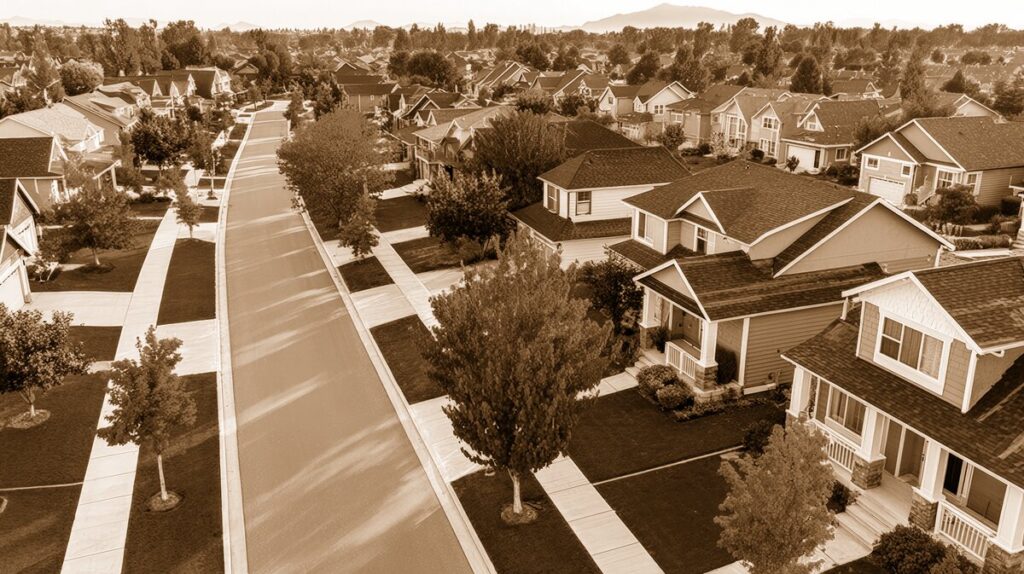
Nestled in the far north corner of Dallas, where leafy streets wind gracefully between bustling business corridors and serene community spaces, you'll find Timberglen—a neighborhood with roots deeper than the white oaks lining its sidewalks. While the rapid growth of Dallas has transformed many of its communities, Timberglen’s unique charm endures, built upon a legacy of progress, resilience, and neighborly pride.
Origins: From Prairie to Neighborhood
Today’s Timberglen, roughly bordered by Frankford Road to the north, Vail Street to the south, Midway Road on the west, and the North Dallas Tollway to the east, was once part of sprawling prairie lands owned by pioneering families in the late 19th and early 20th centuries. Settlement began in earnest as Dallas expanded northward, an expansion that accelerated after World War II.
The origins of Timberglen’s name reflect the natural beauty of the area. “Timber” refers to the wooded groves that dotted the original landscape, and “glen” alludes to the gentle valleys characteristic of this part of North Dallas. Legends persist among longtime residents that the name was inspired by a favorite seasonal gathering spot, where locals would picnic among the wild timbers and rolling glens each spring.
Key Historical Milestones
Timberglen’s coming of age occurred during the 1970s and 1980s, as Dallas saw a tremendous population boom.
- In 1978, the city officially recognized the Timberglen neighborhood as a distinct planning area, paving the way for modern residential development.
- By the mid-1980s, signature subdivisions such as Timberglen North and Timberglen South were established, bringing a blend of single-family homes, cozy townhouses, and sunlit apartment communities.
- Timberglen’s evolution coincided with the extension of major corridors like Midway Road and the Dallas North Tollway, making the neighborhood more accessible and drawing families seeking a peaceful, well-connected suburb.
- Institutions like Timberglen Recreation Center and the Timberglen Branch Library opened their doors in the late 1980s and early 1990s, becoming centers for education, wellness, and community events.
Notable Landmarks and Gathering Places
Timberglen’s landmarks may not make national headlines, but they are deeply woven into the lives of residents.
- Timberglen Park, nestled off Timberglen Road, is the neighborhood’s green heart. With its walking trails shaded by mature trees, a vibrant playground, sports fields, and a picnic pavilion, it’s where generations have come together for Little League games, summer concerts, and family reunions.
- Timberglen Branch Library stands as a beacon of learning. Established in 1999 on Timberglen Road, it serves as more than a repository of books—it’s a vibrant cultural crossroads for residents to gather, learn, and connect.
- Nearby, Indian Creek Elementary School and Ted Polk Middle School anchor the area’s educational community. Families eagerly participate in school carnivals, PTA events, and neighborhood festivals hosted on these campuses.
- The Timberglen Recreation Center offers fitness programs, after-school clubs, and seasonal classes, fostering health and camaraderie across all ages.
- Frankford Road remains the neighborhood’s main artery, a strip where local restaurants, coffee shops, and family-owned businesses mirror the area’s multicultural growth.
Evolution Over the Decades
What truly sets Timberglen apart is its evolution—a story of preservation and adaptation.
1980s-1990s:
The real estate boom of the ‘80s filled previously open tracts with homes, while the 1990s saw the flourishing of retail centers and community facilities. Residents who moved in as young couples now watched as their children biked safely along Vail Street or played soccer at Timberglen Park.
2000s:
The turn of the century brought new apartment communities and a surge of energy as young professionals and families settled here. The neighborhood’s diversity blossomed, shaping a community where cultures and traditions mingle seamlessly.
2010s-Present:
Recent decades have seen a focus on schools, park improvement, and infrastructural updates. Tree-lined streets like Timberglen Road and Midway feature neighborhood watch signs—a testament to residents’ commitment to safety and engagement. Every spring, the Timberglen Community Garage Sale and the annual Holiday Lights Contest showcase neighborhood spirit, drawing participation from residents old and new.
A Neighborhood That Endures
Perhaps what endears Timberglen to so many is the neighborly warmth that defies the transience common in many suburbs. Longtime residents recall the “Timberglen welcome” that greets newcomers—handwritten notes, friendly introductions, and invitations to block parties. The sense of heritage is palpable at every Timberglen Park picnic and library storytime.
As Dallas continues its march into the future, Timberglen stands as a quiet witness to the city’s evolution—a neighborhood that has adapted while honoring its roots. Its streets hold stories of families raised, friendships formed, and dreams realized among the timbers and glens from which it takes its name.
In Timberglen, history is not something you read about in books. It’s in the guided oak trees shading the playground, the laughter echoing through the recreation center gym, and the well-tended lawns along Frankford and Midway—a living legacy passed from one neighbor to the next.